
See how simple procurement can be

What is Procure to Pay?
A complete guide to the P2P process for finance and procurement teams: the eight steps, key benchmarks and where indirect spend slips out of control.
Procure to Pay (P2P) is the downstream half of the source-to-pay (S2P) process within procurement. It follows the intake-to-procure workflow, covering all transactional steps from the moment a requisition is approved – purchase order generation, goods receipt, invoicing and payment. It connects procurement, finance and accounts payable in a single workflow to control spend, enforce policy and speed up purchasing.
It applies to both direct spend and indirect spend – such as software and services. It’s the latter that organizations tend to struggle with most: not only can it be increasingly volatile, but it’s often spread across hundreds of vendors, making it difficult to see and control.
This lack of control is costly. Across the average organization, 65% of software applications go unused or underutilized leading to significant financial waste. Disciplined Procure to Pay is how finance and procurement teams prevent this – routing every purchase through the right approvals, suppliers and controls before any money leaves the business.
What are the steps in the procure to pay process?
To understand the Procure to Pay process, it’s important to clarify its role within the broader source-to-pay landscape.While traditional P2P starts at the purchase order, modern organizations manage the entire operational flow from initial request through to renewal.
Phase 1: Request and Intake (Intake to Procure)
1. Need identification: Either a team or an individual employee will recognize the need for a product or service and define the requirement – quantity, specification, budget and timeline. Conversational, dynamic intake captures these requests where employees are already working, rather than forcing them into a separate portal they’ll avoid.
2. Create and approve the purchase requisition: The requestor will submit a formal requisition, which is then routed to the correct stakeholders for approvals based on thresholds such as value, department or perceived vendor risk. Approval speed can vary widely depending on the requesting department, particularly when it comes to software procurement, with Vertice’s data highlighting a 9-day average – requests for data tools are typically approved in under 4 days, while those for HR tools can take as long as 12. Parallel approval routing is therefore crucial for keeping these approval times to a minimum.
3. Source and select the supplier: Procurement will then identify suitable suppliers, gather quotes and negotiate terms. This is the stage to lean on real-time pricing benchmarks – or better yet, a platform that offers negotiation-as-a-service – since the right approach can secure more favorable terms and average discounts of 34%.
Phase 2: Operational Execution (Core P2P)
4. Issue the purchase order: For traditional purchases, an approved requisition becomes a purchase order (PO) – the formal, binding document sent to the supplier setting out quantity, price, delivery date and terms. Indirect spend is messier: much of it, especially SaaS and services, is bought on a credit card or order form with no PO at all, which is exactly how spend slips out of view. Applying PO discipline – or a digital equivalent that captures the commitment – to indirect categories is one of the highest-leverage moves for bringing that spend under control.
5. Receive the goods or access the services: The requesting team confirms delivery – that the goods arrived, or that the service or software licence is live and matches what was ordered – and logs a goods receipt note. With indirect spend this step is often informal or skipped entirely, since there's no physical delivery to sign for. But confirming that a licence was actually provisioned, and to the right people, is what stops you paying for something that never went live or went straight to the shelf unused.
6. Match and approve the invoice: The supplier's invoice is checked against the purchase order and, where relevant, the goods receipt. This matching comes in three forms: two-way (invoice against PO), three-way (invoice, PO and goods receipt) and four-way (adding an inspection or quality check for higher-risk orders). When everything agrees, the invoice clears automatically; when it doesn’t, it's held as an exception. Indirect categories are where this most often breaks down: with no PO or receipt to match against, invoices get routed for slow manual approval instead, which is where errors and duplicate payments creep in.
7. Make payment: Once the invoice is approved, payment is issued according to the agreed terms – accurately and on time, which protects supplier relationships and can capture early-payment discounts. Indirect spend complicates this: much of it runs on cards or auto-renewing subscriptions, so payment can trigger automatically without a fresh review. That's the mechanism behind most unwanted renewals – and it's why review before renewal matters, given it affects 72% of tail-spend contracts and 14% of non-tail spend.
Phase 3: Post-Payment
8.Report and ongoing review: With the transaction closed, spend is recorded against budget and supplier performance is reviewed. For subscriptions and services this is rarely one-and-done: they renew, so the real work is continuous – tracking whether tools are actually being utilized and catching upcoming renewals before they roll over. This is where usage data matters most, preventing the renewal of tools and licenses that are no longer required.
How long does the Procure to Pay process take?
Procure to Pay cycle times are driven mainly by contract value. Even small, low-risk purchases can take 54 days, while large, high-value contracts take even longer because they require more rigorous sourcing, negotiation and layers of approval.
Based on more than $75bn of processed spend, Vertice’s data highlights that the average procurement cycle takes 93 days for contracts worth more than $100K.

Each stage of the process also takes a different amount of time, with negotiation and approvals typically the longest phases, and contracting taking a fraction of the time.
Seeing where the days go exposes the bottlenecks – and most come down to the same fix: automating approvals and removing the manual handoffs between finance and procurement.
Procure to Pay vs Source to Pay, Procure to Order, Source to Contract and Intake to Procure
P2P is often confused with adjacent procurement terms. Here’s how they relate:
In short: procure-to-order is the ordering half of P2P; source-to-contract is the upstream sourcing and contracting half; source-to-pay combines the two (S2P = S2C + P2P); and intake-to-procure is how requests enter the process in the first place.
Why does Procure to Pay matter?
A structured procure-to-pay process is the difference between controlled spend and operational chaos. Without it, purchases are made off-contract, invoices are paid without verification, and finance loses visibility into active liabilities.
The scale of the problem is significant. Software and indirect spend continue to rise, the average company now runs 144 applications, and a meaningful share of that spend is duplicated, unapproved or left idle. A disciplined P2P process is how finance and AP teams catch these leaks – ensuring every invoice strictly matches an approved PO and receipt, stopping duplicate or unapproved card charges and preventing automatic renewals before cash leaves the business.
What are the benefits of Procure to Pay?
While traditional P2P focuses on executing orders and invoices, a modern P2P process operates within a single connected workspace – linking upfront intake (I2P) directly to downstream finance and accounts payable.
When embedded into a unified source-to-pay workflow, a robust Procure to Pay process delivers value across five key areas:
Spend control and leakage prevention
Upstream intake (I2P) negotiates pricing and contracts, but downstream P2P is the enforcement engine that actually protects those savings. Through automated two- and three-way invoice matching, P2P ensures invoices match agreed rates, holding any price discrepancies for review before payment is released.
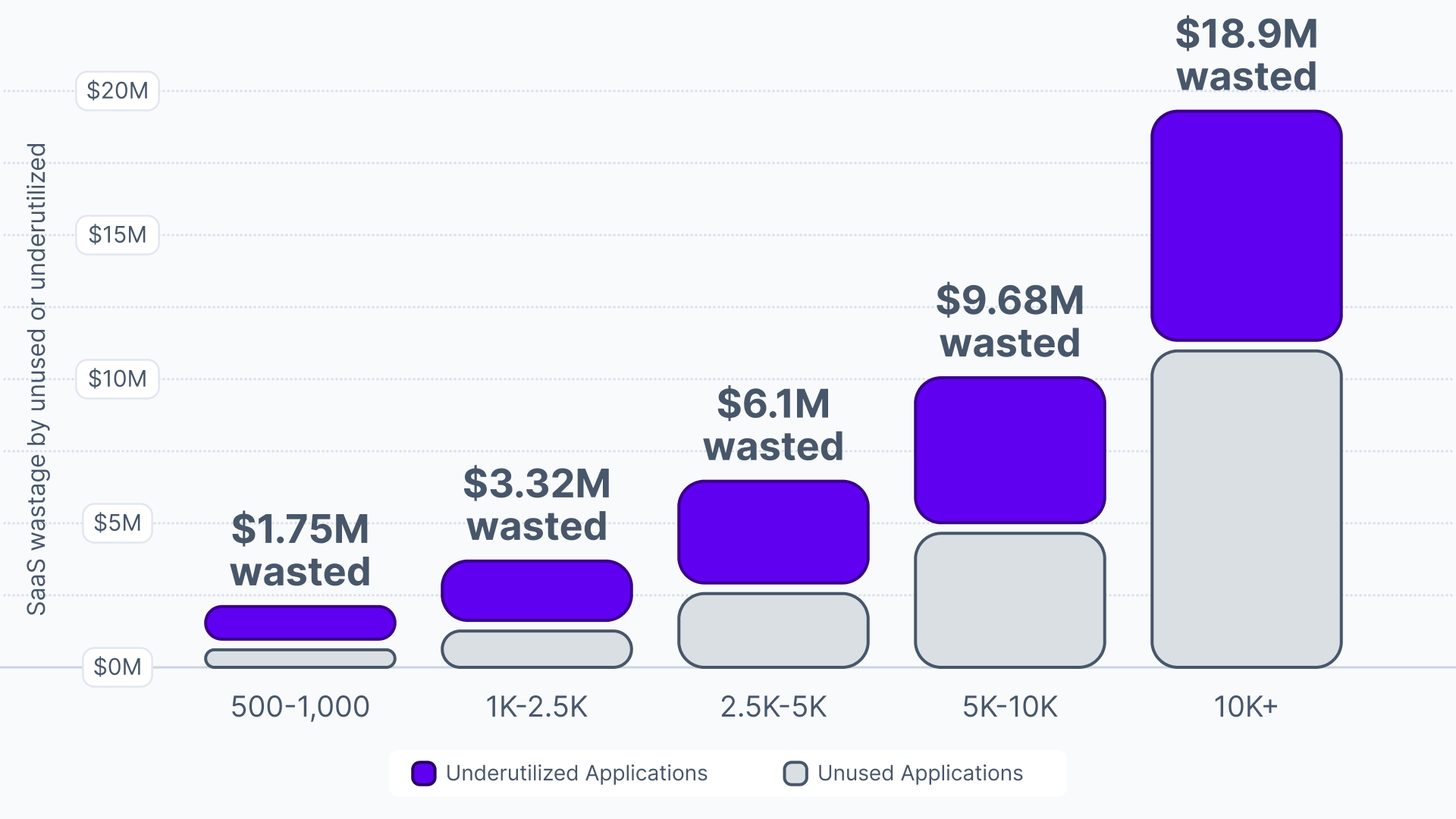
The broader source-to-pay process extends this control across the entire contract lifecycle: by tracking real-time software usage throughout the lifecycle, finance teams can eliminate underutilized licenses before contracts roll over – preventing the millions of dollars in wasted spend that the average organization incurs annually.
End-to-end efficiency and speed
Connecting intake approvals seamlessly to automated PO generation and invoice matching removes friction across departments. Shortening the procurement cycle by 50% or more frees procurement and finance teams to focus on strategic work rather than administrative chasing. As an example, Felix cut roughly 10 days from its procurement cycles by moving from fragmented, manual steps to a streamlined, compliant operation with Vertice.
Compliance and financial fraud control
Downstream P2P acts as the ultimate gatekeeper for company funds. Automated two-way and three-way matching (comparing the PO, goods receipt, and invoice) combined with structured approval trails make it virtually impossible for duplicate, unauthorized or inflated vendor invoices to clear.
Stronger supplier relationships
Accurate, on-time payments and clear PO terms build trust with key vendors, making them more receptive to future contract renewals and concessions. While vendor risk checks and security certifications (like SOC 2 or ISO 27001) are qualified upfront during I2P onboarding, a connected P2P workflow ensures vendor payment profiles and compliance statuses stay continuously synced and monitored.
Real-time visibility across procurement and finance
Because the entire journey – from initial employee request to final payment disbursement – is captured in one shared workflow, finance and procurement leaders gain real-time visibility into committed spend, active liabilities and cash flow. This connected view provides the accurate, real-time data needed for dependable forecasting and budgeting.
What are the most common challenges of procure-to-pay?
A procure-to-pay process is designed to give organizations greater control over spending, improve operational efficiency and maintain compliance across the purchasing lifecycle. Achieving these benefits does, however, require alignment between people, processes and systems. When any part of the P2P process lacks visibility, automation or collaboration, these organizations will face challenges that increase costs, slow down purchasing and reduce financial control.
Here are some of the most common procure-to-pay challenges:
Lack of spend visibility and control
One of the biggest challenges in procure-to-pay is gaining a complete view of organizational spend. When purchasing data is spread across different systems, departments, entities or payment methods, finance and procurement may struggle to understand where money is being spent, identify savings opportunities or enforce purchasing policies. Limited visibility makes it harder to forecast budgets, manage suppliers and prevent off-contract, maverick spending.
Misalignment between finance and procurement
Procurement and finance play different roles within the P2P process, and without effective collaboration, this can create friction. Procurement teams are typically focused on supplier management, cost savings and purchasing control, while finance prioritizes accurate reporting, cash flow management and compliance. When teams rely on disconnected systems or lack a shared source of truth, approvals slow down, invoices remain unresolved and opportunities for optimization are missed.
Manual disconnected processes
Many companies still rely on manual workflows, spreadsheets or email-based approvals to manage purchasing and invoicing. These processes create unnecessary delays, increase the risk of human error and make it difficult to track where requests are in the approval cycle. As purchasing volumes grow, manual processes become a barrier to efficiency and scalability.
Invoice discrepancies and matching friction
Indirect spend often creates additional complexity during invoice processing, as purchases can involve a wide range of suppliers, services and recurring expenses. When invoices are submitted without clear purchase records, consistent coding or approved workflows, finance teams face more exceptions, manual checks and delayed payments. This reduces efficiency and makes it harder to maintain accurate spend visibility.
Low user adoption and process compliance
Even the best P2P system will struggle if employees do not use it correctly. Complex workflows, poor user experiences or a lack of awareness can lead employees to find workarounds rather than follow approved purchasing processes. Low adoption reduces visibility, weakens control and limits the value of P2P investments.
Supplier management challenges
Managing supplier information, contracts, performance and compliance can become difficult when supplier data is fragmented across systems. Poor supplier visibility can lead to missed contract opportunities, inconsistent purchasing decisions, payment issues and increased operational risk.
Poor spend forecasting and budget control
Without accurate, real-time visibility into committed and actual spend, organizations may struggle to forecast budgets effectively. Unexpected purchases, unmanaged subscriptions and delayed invoice processing can create budget uncertainty and make financial planning more challenging.
What KPIs measure procure-to-pay performance?
The right KPIs tell you how fast, compliant and cost-effective your process really is. These are the core ones to track:
Tracked together over time, these metrics show whether process changes – new automation, a redesigned intake flow, tighter supplier policy – are actually moving the numbers.
How Automation and AI Support Procure-to-Pay
Automation and AI transform the downstream procure-to-pay cycle by stripping out manual friction between purchase order creation and final payment – automating PO issuance, invoice matching, exception handling, and disbursements with minimal human intervention.
While core P2P automation handles transactional execution, modern platforms connect these downstream steps directly to upstream Intake to Procure (I2P) and broader Source to Pay (S2P) workflows.
Core Downstream P2P Automation
- Touchless invoice matching (AP automation): Automatically clearing compliant invoices against the PO and goods receipt (2-way or 3-way matching) removes the single biggest source of day-to-day AP friction. Accounts payable teams step in only when an invoice fails matching tolerances.
- Intelligent document processing (IDP): AI reads, extracts, and line-item codes unstructured invoices in seconds, eliminating manual data rekeying regardless of how a vendor submits their bill.
- Automated exception handling: When an invoice discrepancy occurs (such as a quantity or price mismatch), AI routes the exception directly to the right owner for resolution rather than stalling the entire AP queue.
- Payment fraud & anomaly detection: Machine learning models scan incoming invoices and payment files to flag duplicate invoices, suspicious vendor bank detail changes, or billing discrepancies before any money leaves the business.
Connecting P2P to the Broader S2P Workflow
To get the most out of P2P automation, modern platforms bridge these downstream checks with upstream and full-lifecycle AI:
- Guided intake & approvals (I2P): Before a P2P order is created, conversational AI handles the initial request, routes pre-purchase approvals, and steers employees toward preferred suppliers cutting request lead times down from days to hours before handing off to P2P.
- Continuous usage & renewal tracking (S2P): Extending P2P visibility into contract management allows finance to cross-reference payment data with actual software usage flagging underutilized licenses before auto-renewals roll over.
The practical effect is a process where people set the policy and handle the exceptions, while the system runs the repeatable work. As Felix's CIO described it after automating their workflow, "from end to end, we've closed the entire loop."
Choosing the right procure-to-pay software
The right procure-to-pay software fits the way you actually buy, connects to your finance systems, and is intuitive enough that people use it. Beyond that baseline, a few questions separate tools that control spend from tools that just digitize paperwork.
Does it handle indirect spend, not just POs? Many P2P tools are built around traditional, PO-based direct procurement. But the harder problem – and where most spend leaks – is indirect and SaaS purchasing that never generates a PO at all. Check that it captures and controls that spend, not only the categories that were already easy to see.
Will people actually use it? Adoption is where P2P investments succeed or fail. The intake experience matters more than the feature list: if raising a request is slower than just buying direct, employees will route around the process. Favour conversational, dynamic intake that meets people where they already work.
Does it integrate cleanly with your ERP and finance stack? Disconnected systems are the root cause of rekeying, errors and stalled matching. Confirm native, two-way integration with your ERP, AP and SSO – not a one-way export that leaves finance reconciling by hand.
Does it give you a single, real-time view of spend? Visibility is the through-line beneath almost every P2P problem. The platform should consolidate spend across tools, teams, entities and payment methods into one live picture, rather than a report that's out of date the moment it's run.
How much does it actually automate? There's a difference between digitizing a form and automating a decision. Look for parallel approval routing and touchless invoice matching (or straight-through processing) that clear the routine work automatically, so your team only handles genuine exceptions.
Does it help you buy better, or just buy faster? Speed is table stakes; price is the bigger prize. Tools that bring real-time pricing benchmarks or negotiation support to the sourcing stage change what you pay, not just how quickly you pay it.
Beyond these, weigh total cost of ownership and whether the platform scales with your transaction volumes and categories as you grow.
But the best first step usually isn't choosing software at all – it's knowing where your process stands today. The procurement maturity assessment benchmarks your current approach against the practices in this guide in a few minutes, showing where your biggest gaps – and savings – sit before you commit to any tool.
.webp)