
See how simple procurement can be

Mastering SaaS Renewals
SaaS renewal management is the process of tracking contract end dates, usage and pricing so subscriptions do not lapse into unwanted auto-renewals at the wrong terms. AI-driven platforms flag underused tools months ahead of a renewal date and surface benchmarking data for negotiation. Companies with 500-1,000 employees typically waste $1.75M a year on renewals left unmanaged.
With unchecked software renewals quietly siphoning organizational budgets and increasing both compliance and security risks, SaaS renewal management is now a critical priority for modern enterprises.
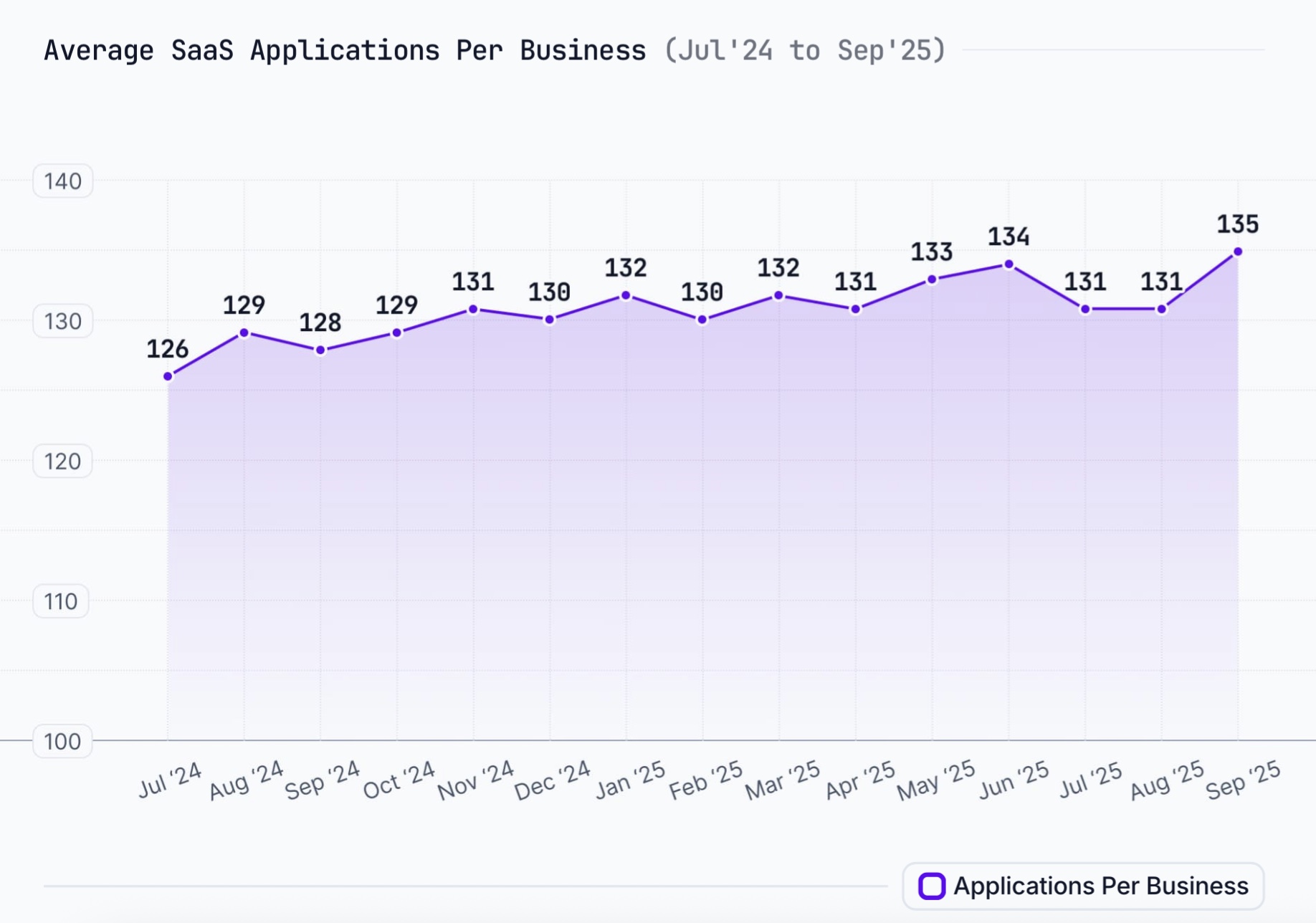
Yet most still rely on manual tracking and spreadsheets. This is despite the average tech stack now consisting of 135 tools - 89% of which contain auto-renewal clauses. The traditional approach to managing renewals is therefore increasingly unsustainable.
In this article, we break down the SaaS renewal process to explore the common pitfalls that lead to wasted software spend, and show how AI-powered automation can transform renewals from a reactive chore into a strategic savings opportunity.
Key Takeaways
- Poor renewal management drives unnecessary SaaS spend as a result of unwanted auto-renewals and missed opportunities to rightsize contracts and negotiate better deals.
- AI-driven procurement platforms predict renewal risk, surface unused and underutilized tools months in advance, and deliver both negotiation insights and benchmarking data.
- Workflow automation eliminates manual tracking, triggers alerts before renewal dates, and automatically routes approval requests to the right stakeholders.
- Centralizing SaaS contracts and integrating renewal data with procurement tools gives finance and operations teams real-time visibility into spend under management.
Why SaaS renewals matter
Poor SaaS renewal management isn’t just an administrative burden; it’s a direct hit to the bottom line.
Companies with more than 500 employees waste millions of dollars annually on unwanted tools and licenses, often due to unfavorable contract terms with unexpected price increases.
Beyond the financial impact, this lack of renewal oversight:
- Obscures visibility into your tech stack, making it difficult to see which tools are being utilized
- Increases compliance and security risks as contracts renew without the proper approvals
- Makes it almost impossible to secure the best price and terms
Effective contract renewal management is therefore essential not only for cost control – since renewals are one of the most powerful opportunities to optimize spend under management – but also for customer retention, maintaining operational efficiency and mitigating risk across the organization.
Those that treat renewals as strategic events and not just an administrative task stand to recover wasted budget, reduce vendor sprawl, and improve visibility across their entire software stack.
Common challenges in managing SaaS renewals
The biggest culprit of poor renewal management?
Lack of visibility.
Without total oversight and centralized tracking of contract deadlines, ownership, and renewal terms, companies are left in the dark – reacting to renewals instead of managing them strategically.
When contracts are scattered across departments and inboxes, several costly challenges emerge:
- Decentralized contract management: Departments sign contracts independently, leaving no single source of truth for what’s been purchased and by whom.
- Missed renewal alerts: Renewal reminders get buried in personal inboxes and go unnoticed until it’s too late.
- Auto-renewals without approval: Missed cancellation deadlines can trigger automatic renewals – locking teams into unwanted terms and budgets.
- Duplicate or overlapping subscriptions: Multiple departments subscribe to the same – or similar – tools, contributing to redundant spend.
- Overspending on unused and underutilized software: Without knowing the utilization rates of each application, companies continue paying for licenses – and even entire applications – that simply aren’t required.
These challenges aren’t just operational headaches – they carry a substantial cost, both in wasted budget and spend
The average company loses a chunk of their software budget each year on subscriptions that could have been canceled, downgraded, or renegotiated. At the same time, procurement and finance teams devote countless hours manually tracking contracts and approvals instead of focusing on strategic initiatives.
Effective renewal management goes beyond simply monitoring dates – it’s about regaining control over spend, improving efficiency, and reducing complexity across your entire software portfolio. Following SaaS renewal best practices ensures that every decision is informed, consistent, and optimized for cost control.
The SaaS renewal process explained
Wasted spend and operational chaos are the harsh realities for many organizations, but regaining control is possible. It hinges on a solid SaaS renewal process that covers the following six stages.
Stage 1: Visibility
This means having a clear inventory of every contract, license, and associated cost, along with an understanding of usage patterns, renewal dates, and key contractual terms to ensure timely, informed decisions.
With maverick spending likely having already reared its head, you’ll need to actively track down every unmanaged subscription – something that can be done by:
- Reviewing SSO usage logs
- Analyzing credit card charges and other financial records
- Directly asking department leads
Stage 2: Contract tracking and alerts
Without a robust system to track and manage contracts, teams risk leaving it too late to renegotiate, or missing the renewal entirely – locking them into a contract with unfavorable terms, often at a heftier price, or paying for a tool they don’t need at all.
The solution?
- Setting automated alerts for every renewal date, with escalation rules if no action is taken.
- Tracking cancellation notice periods to ensure alerts trigger with enough lead time.
- Maintaining a centralized renewal calendar that highlights upcoming decisions.
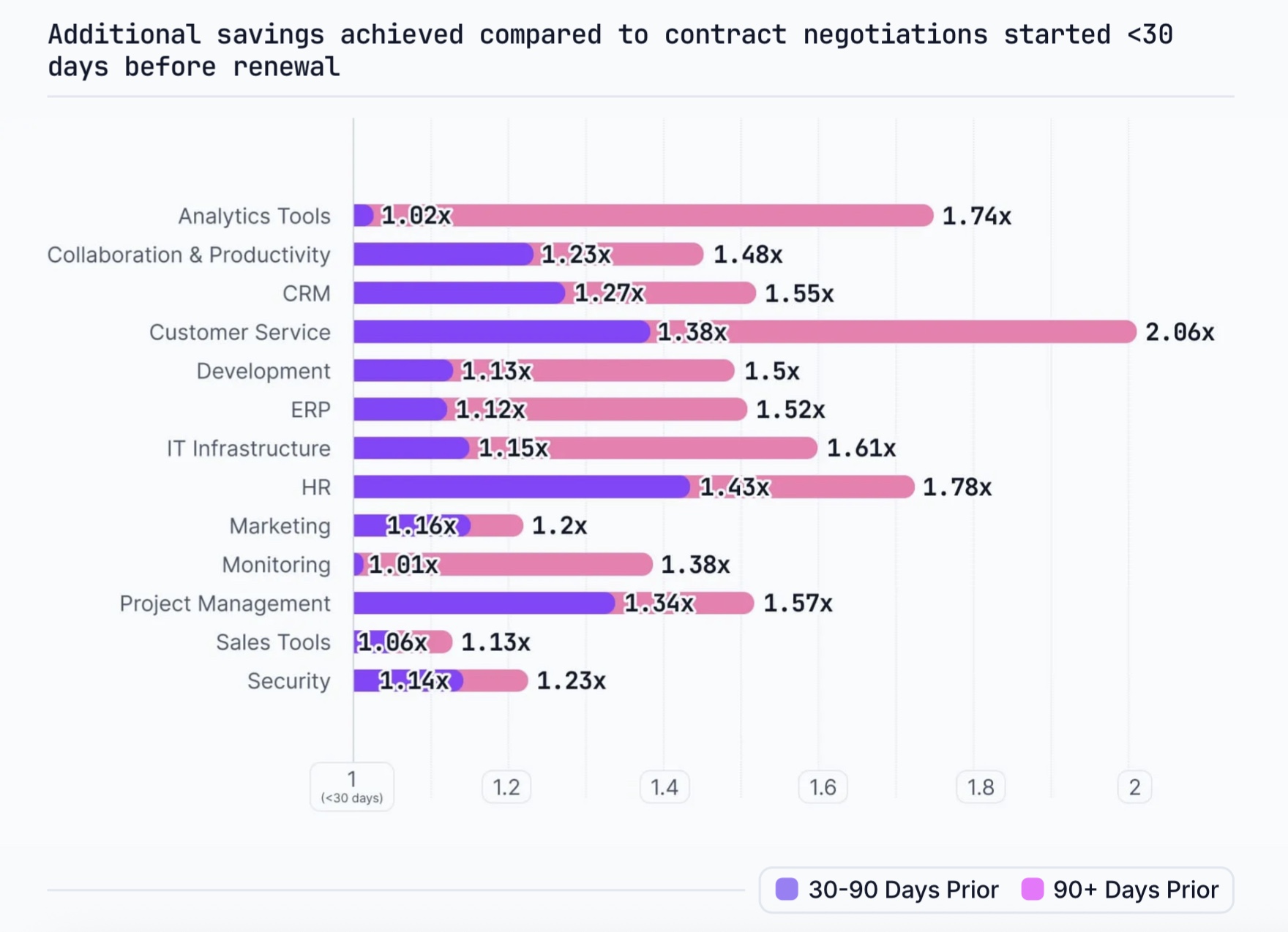
Our data shows that companies should begin renewal discussions more than 90 days ahead of contract renewal dates, as those that do achieve 49% higher savings than those who begin less than 30 days before.
Stage 3: Usage analysis and renewal decision-making
Renewals should never be based on assumptions – yet without access to complete and reliable data, many teams are forced to rely on past experience, outdated information, or the status quo to make the best decisions they can. This often means they continue paying for licenses that aren’t needed and tools that no longer serve a clear purpose.
With the right insights, however, organizations can make decisions based on actual facts. They can pinpoint shelfware, identify inactive licenses, detect overlapping tools, and take action to:
- Adjust subscriptions to match real usage
- Terminate contracts for unused or unnecessary software
- Consolidate tools where functionality overlaps, simplifying the tech stack and reducing spend
Reallocate spend based on cost-per-user benchmarks to ensure SaaS spend per employee reflects actual value
Stage 4: Negotiation
Even with visibility and usage in hand, renewals can still leave money on the table without a solid negotiation strategy – one that leverages pricing intel, peer benchmarks, and actual usage data to secure the best possible deals.
Starting conversations early is only one element of maximizing success; careful planning and preparation are equally critical. This involves:
- Deep vendor and market expertise to understand pricing trends and negotiation levers
- A clear BATNA (Best Alternative to a Negotiated Agreement) to know your fallback if terms aren’t favorable
- Knowing exactly how much similar companies are paying for the same subscription – and the terms they’re receiving – to benchmark effectively
Tail spend – and even more specifically, long-tail spend – also deserves attention, as smaller, overlooked subscriptions can collectively drain budgets if left unmanaged.
Stage 5: Approvals
Strong negotiation is only half the battle. Without a clear approval process, savings and accountability can slip through the cracks.
Making sure renewals are reviewed by the right stakeholders is key to preventing unauthorized spending.
But what does this look like in practice?
- Approvals should be routed to the right stakeholders based on contract value, department, or strategic importance.
- Automated escalations ensure reviews don’t stall if someone misses a deadline.
- Audit trails track every sign-off and communication, keeping the process transparent and compliant.
- Approval thresholds let smaller renewals move quickly while high-value or high-risk contracts receive additional scrutiny.
Stage 6: Renewal execution
This stage is where decisions turn into actions, whether renewing a tool on new terms or sunsetting it entirely.
Ultimately, every renewal should close the loop:
- For tools you continue using, ensure that updated contracts are signed and that all records are centralized in a contract repository – ideally within a spend management platform.
- For tools you cancel, notify vendors within the cancellation window, coordinate with IT to revoke access and deprovision users, and securely export or archive data to prevent compliance and security risks.
- For both, track the financial impact of every decision – savings from cancellations, discounts from negotiations, and spend brought under management – to demonstrate tangible ROI.
Done right, this doesn’t just tidy up loose ends; it reinforces a culture of accountability, visibility, and continuous optimization across the entire SaaS lifecycle.
The Role of AI in SaaS renewal management
AI is making its mark across most areas of a business, and SaaS procurement is no different – transforming renewal management from a reactive scramble into a proactive, data-driven process.
By combining automation with intelligent insights, teams can identify waste, optimize usage, and negotiate from a position of strength – all before renewal deadlines hit.
AI-driven procurement platforms can:
- Detect unused tools or underutilized licenses, enabling teams to reallocate or downgrade where necessary.
- Surface benchmarking insights exactly when needed, highlighting areas of overspending and guide effective negotiations.
- Automate spend categorization and tagging by department, function, or vendor, improving reporting accuracy and speeding up renewal discussions.

Benefits of Automating SaaS Renewals
One of the main reasons so many companies overlook renewals is because of the sheer complexity of the process – the average negotiation takes 21 days, even as much as 37 days for more complex renewals – and a typical SaaS stack consists of 135 tools.
This is why automation is so vital. It allows companies to:
- Reduce manual effort: Automate repetitive tasks like tracking renewal dates, usage, and licence allocations.
- Improve visibility: Centralize contract data, spend, and usage metrics for a complete view of your SaaS stack.
- Act proactively: Receive alerts and insights well before renewal deadlines to avoid last-minute scrambles or auto-renewal traps.
- Optimize spend: Identify underused licences, duplicate tools, and opportunities to consolidate vendors.
- Streamline approvals: Route decisions automatically to the right stakeholders based on contract value or department.
- Ensure continuity: Keep mission-critical tools active and avoid service interruptions through timely renewals – ultimately enhancing customer satisfaction.
The link between SaaS renewals and spend optimization
Proactive oversight of SaaS renewals is about more than just keeping on top of contracts – it’s a critical lever for broader spend optimization.
Renewal commitments represent recurring costs that accumulate year-over-year, so maintaining control has a direct impact on total spend under management, while also strengthening forecasting accuracy.
With a clear view of contract performance, usage patterns, and market benchmarks, organizations are positioned to negotiate more effectively, securing better pricing and terms.
Turning this visibility into action allows teams to track savings from canceled, downgraded, or renegotiated contracts, providing tangible ROI and clearly demonstrating the financial impact of taking a more strategic approach to renewals.
How to streamline SaaS renewals with automation
The shift from manual software tracking to automated SaaS renewal management addresses a critical challenge for the vast majority of organizations.
But what exactly does this shift entail?
Step 1: Centralize SaaS contracts and renewal data
Control requires clarity – a complete, centralized view of every SaaS contract within your tech stack, with all key details, including renewal dates and deadlines.
Without this foundation, it’s impossible to make informed purchasing decisions, prevent wastage, or identify savings opportunities.
Start by conducting a company-wide audit to uncover all subscriptions, including those that constitute shadow IT. If you’re not already using a SaaS cost optimization platform, now is the time to start.
Ex-Gartner analysts, Lionfish Tech Advisors, have conducted an independent analysis of the nine leading SaaS Procurement and Management Platforms on the market. You can view the full list here.
Step 2: Automate renewal alerts and workflows
Control also requires timing – knowing exactly when contracts are up for renewal and the termination windows, while also having a system in place to ensure that zero unwanted auto-renewals fall through the cracks.
A robust SaaS spend management platform with intelligent workflow capabilities will allow you to set up automated alerts that trigger at predefined intervals before each renewal date, with escalation paths if the contract owner doesn’t respond. Workflow automation can also route approvals based on contract value, ensuring high-value renewals receive finance oversight without slowing down the smaller, routine decisions.
Step 3: Analyse usage before renewal
Before renewing any subscription, you need to be able to justify every license – over-provisioned seats quickly inflate costs and drive unnecessary spend.
To do this:
- Pull usage data for each tool ahead of the renewal date
- Compare active users against the total license count and identify inactive accounts
- Flag and review underutilized or high-cost subscriptions, so you can make a more informed decision on whether to renew, downgrade, or cancel.
This data-driven approach helps ensure that every dollar spent on software aligns with genuine business needs, in turn maximizing ROI.
When renegotiating, we’d recommend building flexibility into your contracts, as this allows for user growth or reduction over time, while enabling you to secure more favorable terms upfront.
Step 4: Leverage AI for negotiation insights
Effective negotiations require context – including an understanding of the pricing and terms companies like yours are securing for the same subscriptions.
With the right SaaS procurement platform, you can access these pricing benchmarks and commercial insights exactly when you need them, enabling you to act quickly and make informed, strategic decisions ahead of any software renewal.
Step 5: Track savings
Demonstrating ROI is a common challenge in procurement, and SaaS renewals offer a clear way to deliver measurable value. Tracking savings from canceled contracts, downgraded licences, and negotiated pricing provides tangible evidence of the impact of your renewal strategy.
The most comprehensive platforms will allow you to track KPIs such as:
- Total savings realized
- Percentage of budget recovered from renewals
- SaaS utilization
Discover the 11 procurement metrics that top-performing teams relyon to make smarter purchase and renewal decisions
The future of SaaS renewals
The way in which software renewals are managed is evolving out of necessity.
As tech stacks grow, software costs rise, usage-based pricing models become more common, and wasted spend escalates, traditional approaches are becoming increasingly unsustainable.
The key to mitigating this goes beyond automation – it requires a strategic, orchestrated approach that connects contract lifecycle management to broader procurement processes, giving teams visibility, control, and actionable insights across the entire software portfolio:
These orchestration platforms are designed for modern SaaS management:
- Leverage AI to forecast renewals, identify negotiation opportunities, and prioritize actions for maximum savings.
- Detect anomalies and usage shifts in real time, surfacing underutilized licenses, duplicate subscriptions, and unexpected cost spikes.
- Integrate renewal workflows with broader procurement operations, including supplier relationship management and compliance checks.
- Streamline intake and approvals
- Provide complete visibility and auditability, giving both finance and procurement teams live dashboards, audit trails, and reporting to track every renewal and savings outcome.
This approach transforms SaaS renewals from a reactive, spreadsheet-driven task into a strategic lever for cost control, efficiency, and operational confidence.

.webp)