


















Get full control over your procurement




.png)

"We now have a very consistent end-to-end workflow, closing the entire loop and making our processes 10 days shorter."





The intelligent procurement platform for better outcomes
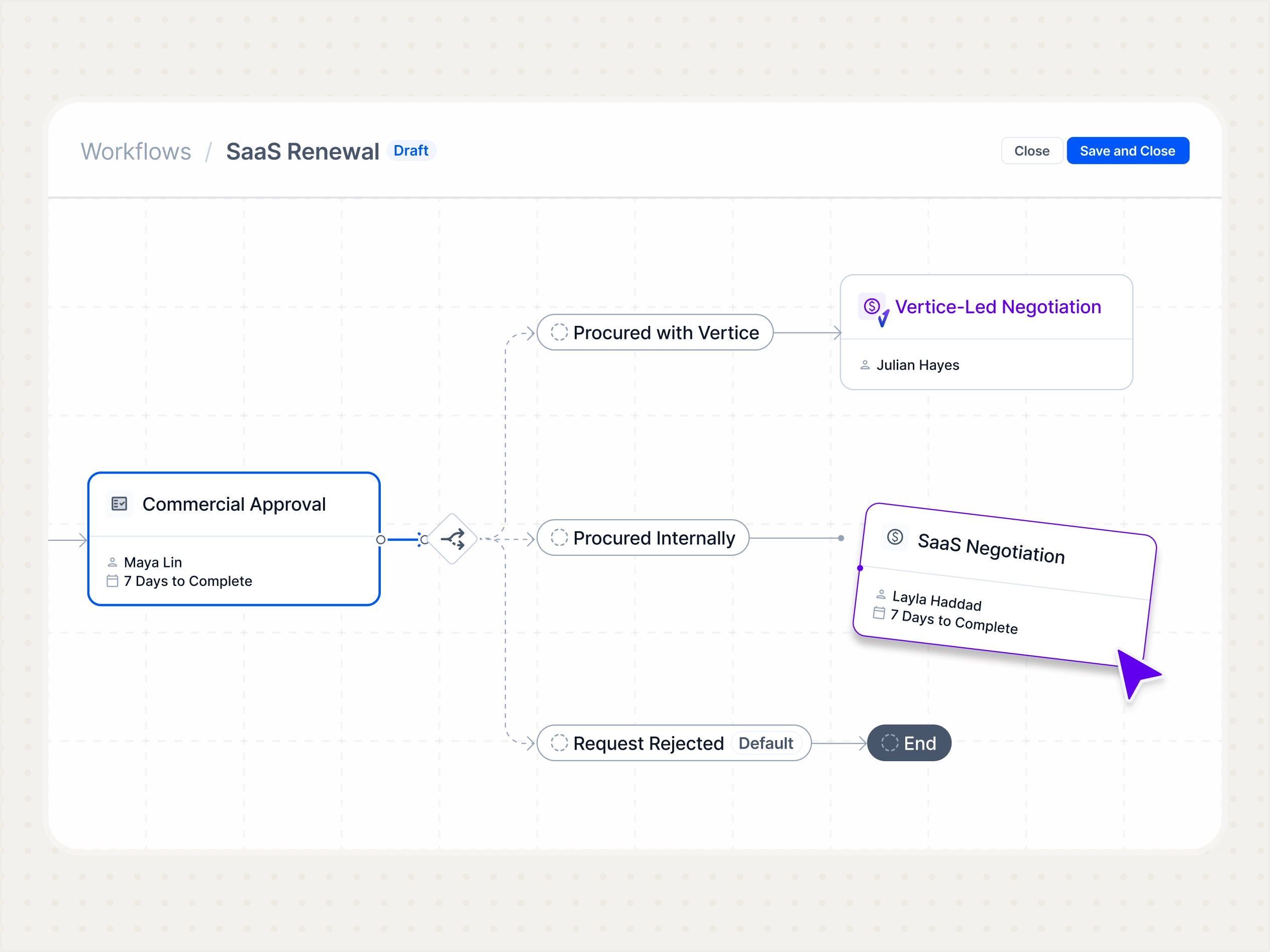
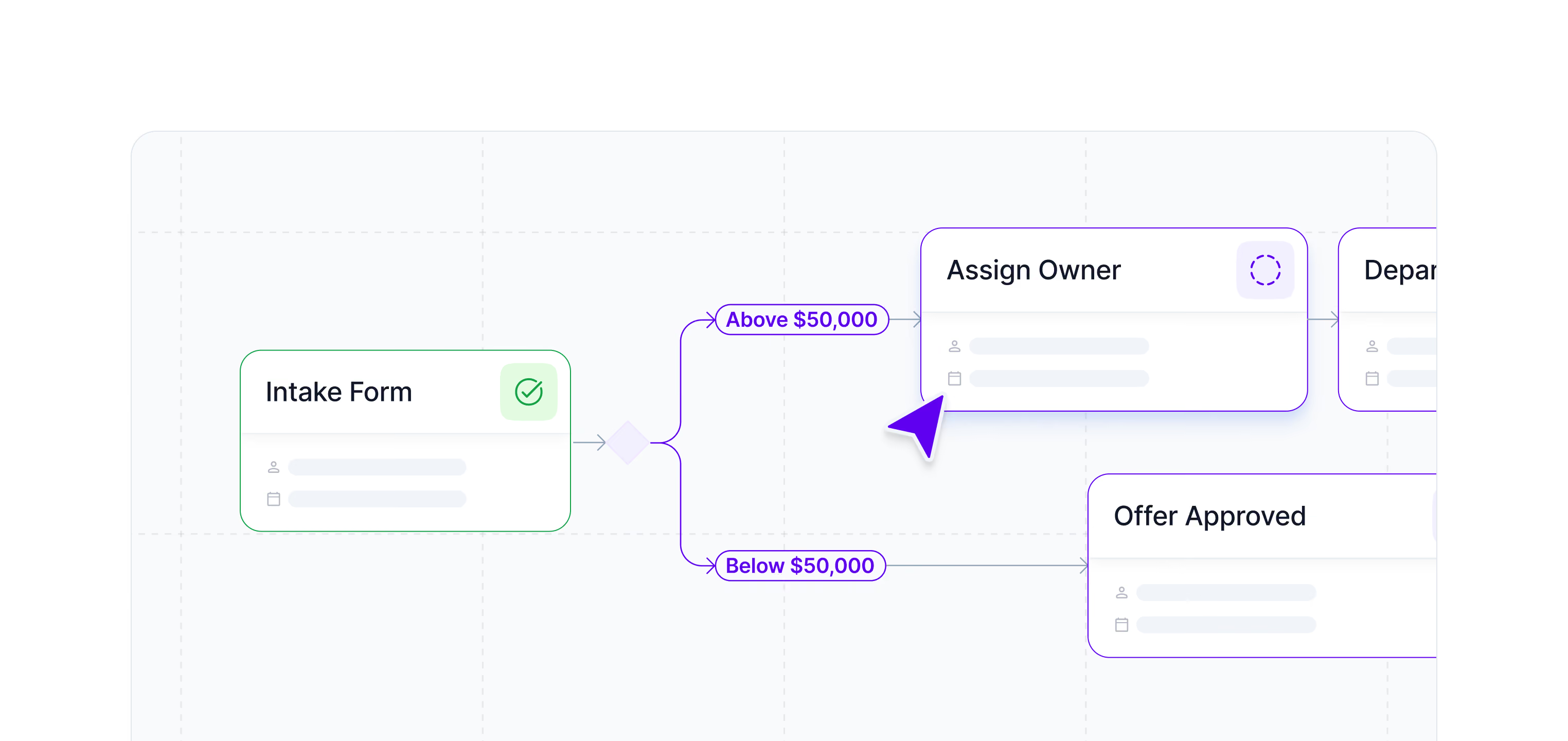
Easily build purchasing workflows with a no-code, drag-and-drop builder to match your internal processes.
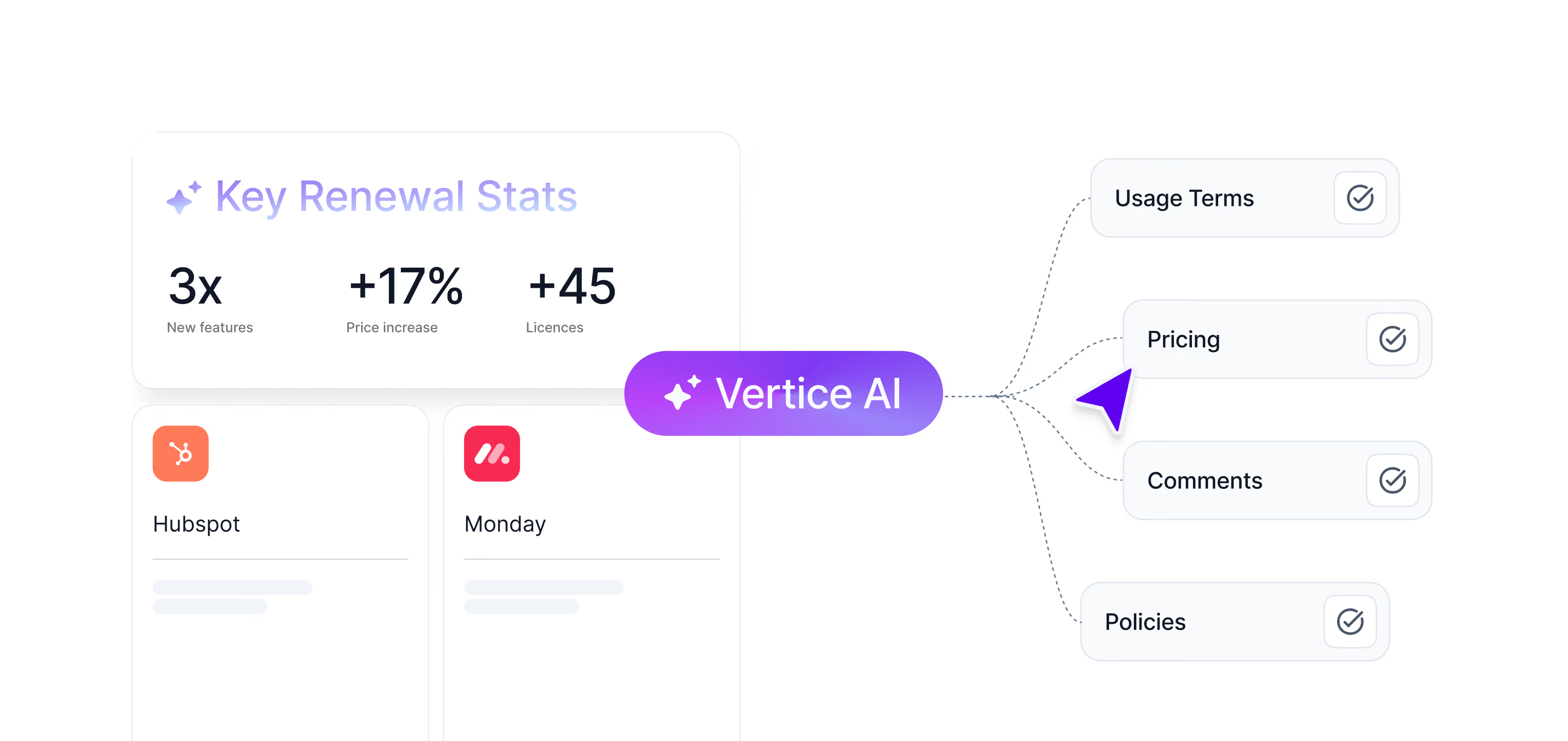
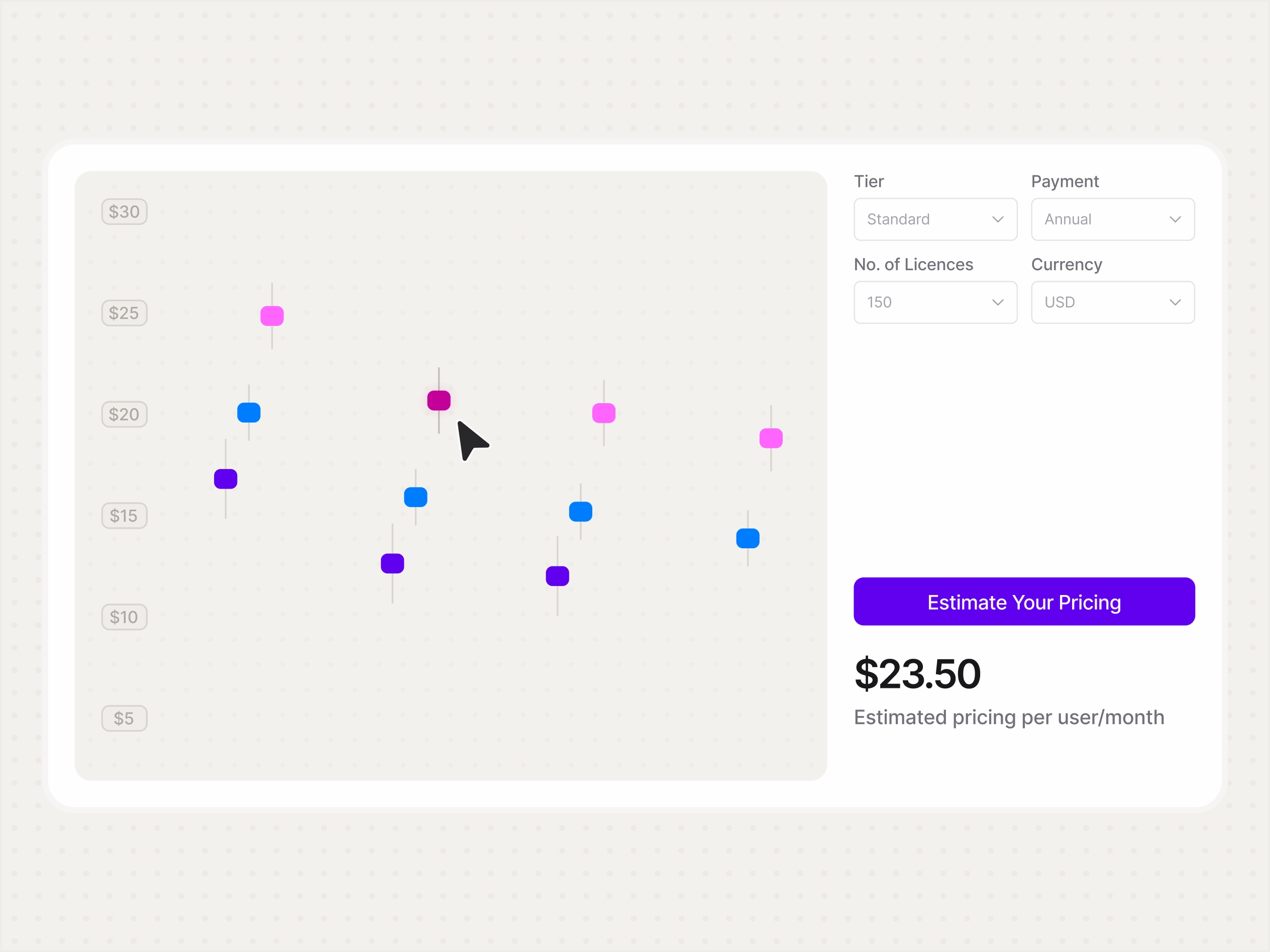
Access granular pricing insights and actionable savings recommendations across 32,000+ vendors and 900k+ pricing points, with the world's largest software pricing dataset.
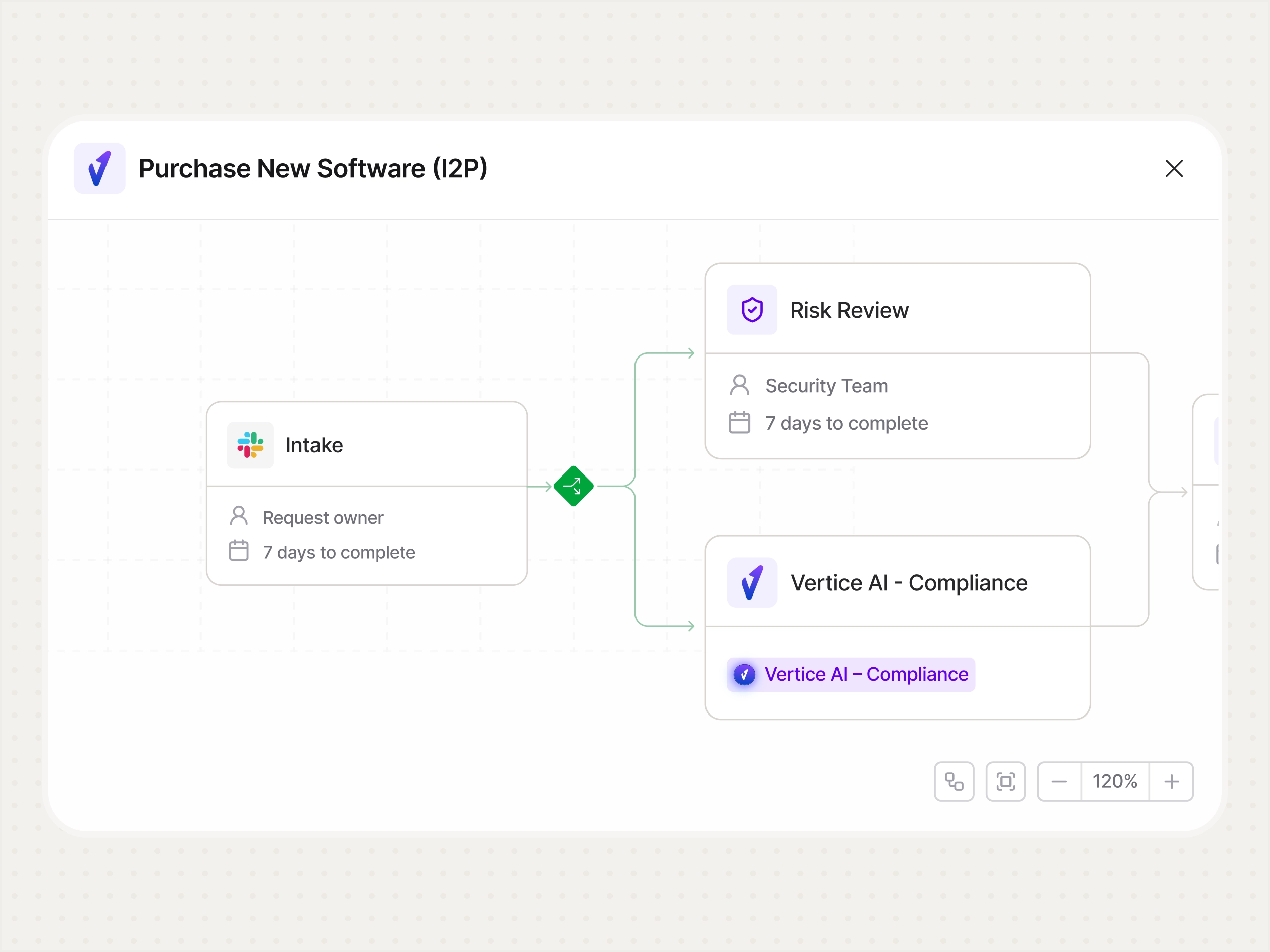
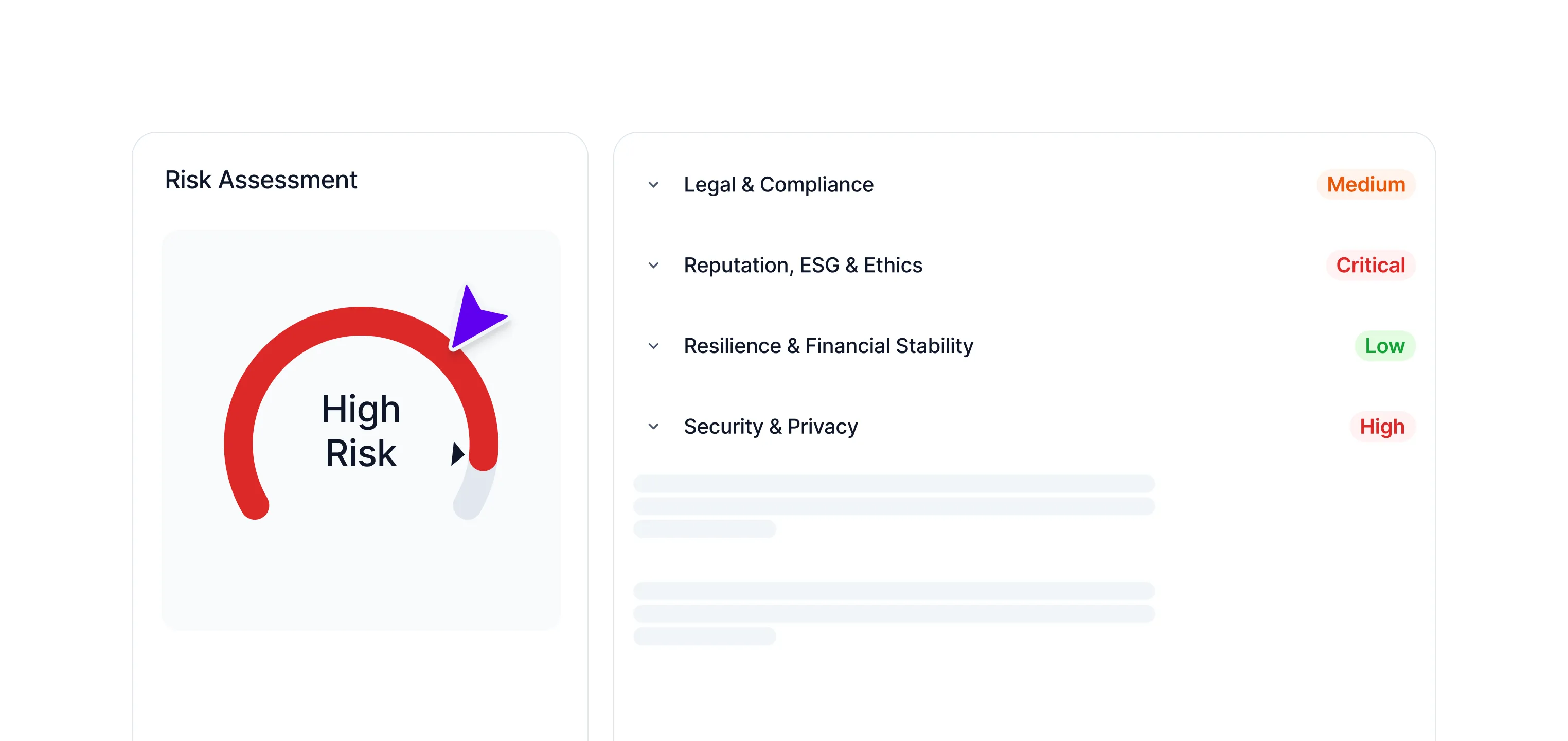
Expert team member, trained on data across 32k+ vendors and able to complete 70+ procurement tasks; from risk assessments to compliance checks.
Want to see the Intake-to-Procure workflows in action?


Your procurement painkiller
Say goodbye to purchasing headaches.






.jpg)

.jpg)









The need-to-knows about Vertice
Procurement orchestration software manages the entire procurement workflow, automating intake management, purchase request automation, approvals, vendor evaluation, and contract management. It ensures requests align with budgets, policies, and compliance requirements, streamlining the path from initial request to purchase.
Procurement orchestration software captures purchase requests through intake forms, validates them, and automatically routes them to the correct stakeholders for approvals. By combining automated routing, dynamic workflows, and policy enforcement, organizations can reduce procurement cycle times and eliminate bottlenecks across request intake, vendor evaluation, and approval stages.
Most software purchases require cross-functional review and depending on the request, procurement teams, finance, IT, and legal may need to evaluate contracts against preferred supplier lists and internal policies & preferences, and sign off on the purchase.
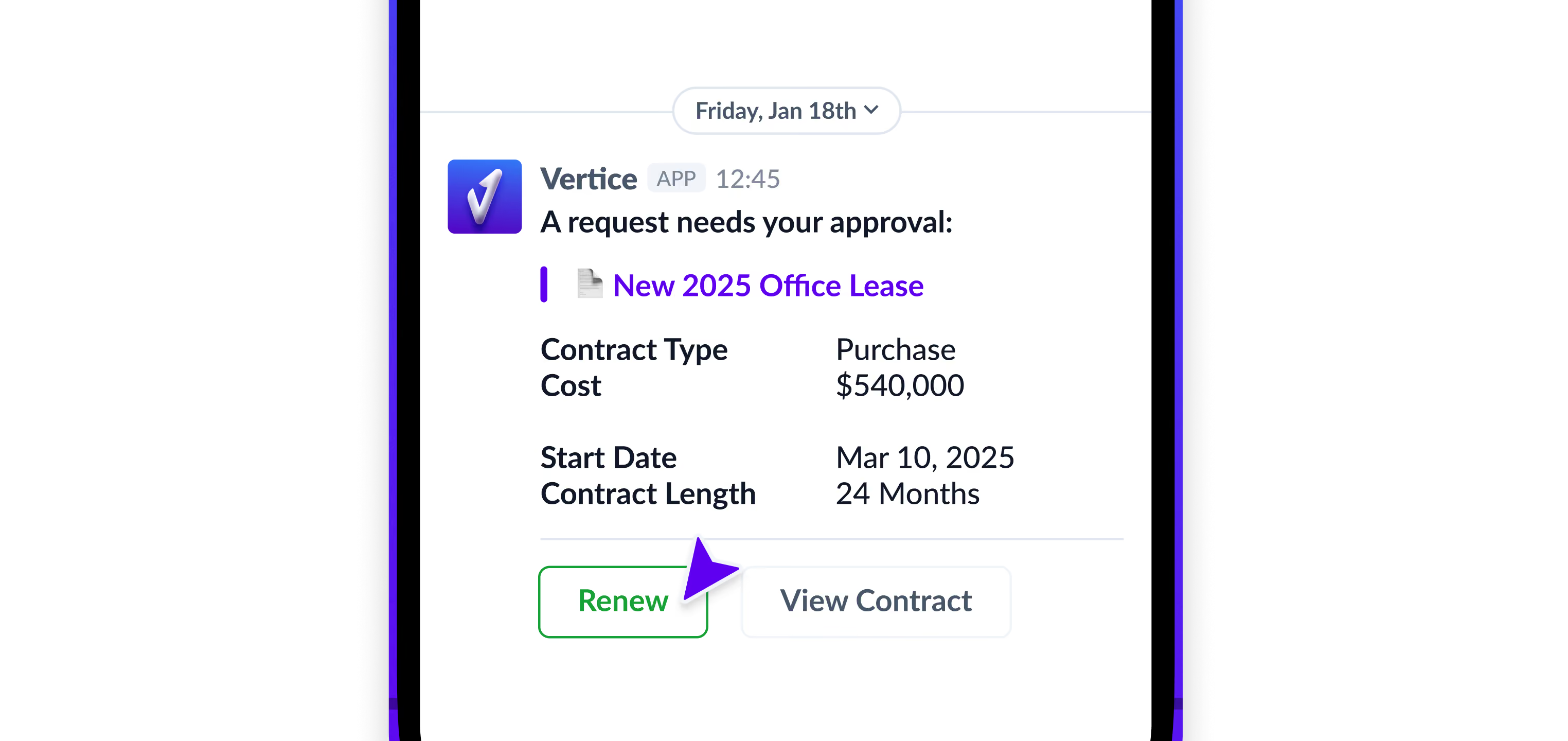
Vertice’s dynamic workflow capabilities will automatically route each request to the appropriate approver at the right time, based on criteria such as spend thresholds, types of purchase, and risk requirements, ensuring faster approvals and compliance at every step.
While the intake-to-procure process can differ by company, it generally consists of all stages from the initial purchase request to the creation of a purchase order.
This includes:
- Intake requests – The initial part of the procurement workflow involving the submission of a request for a new product or service through an intake form, along with the assessment of business requirements and justification for the purchase.
- Vendor evaluation – Once the request passes initial validation, relevant service providers and vendors may be researched and evaluated for their suitability and performance. A preferred supplier – and possibly even a BATNA (Best Alternative to a Negotiated Agreement) – will be selected.
- Contract negotiation – During the contract negotiation stage, discussions with the preferred supplier take place to agree upon contractual terms and conditions, including price, length of contract, payment terms, service level agreements (SLAs), and other key obligations or responsibilities.
- Approvals – Key stakeholders from finance, legal, IT, and security review the request and contract to ensure compliance, budget alignment, and risk management. Vertice provides both configurable and dynamic approval workflows, automatically routing requests, tracking decisions, and can re-route them if additional review or adjustments are needed.
Procurement cycle times ultimately depend on the complexity of the request, the number of stakeholders involved, and the associated risk factors. Without automation, purchase requests often stall for days or even weeks at a time due to unclear ownership or missing information.
Automated workflows can help streamline the process, ensuring requests move forward efficiently and accurately. With Vertice’s procurement orchestration software, organizations can significantly reduce cycle times by eliminating bottlenecks in approvals, vendor evaluations, and contract reviews.
A procurement orchestration platform like Vertice delivers measurable benefits across the procurement lifecycle:
- Accelerates procurement – By combining intake management with automated request routing and approval workflows, Vertice reduces delays and speeds up the time from request to purchase.
- Minimizes risk – Ensures all requests are reviewed for compliance with legal, IT, and security policies, helping to reduce non-compliant, high-risk, or unauthorized purchases.
- Improves employee experience – Vertice centralizes intake forms, tracks purchase requests, and sends alerts through stakeholders’ preferred channels, reducing friction and streamlining communication.
- Reduces shadow IT – Vertice prevents unauthorized software adoption by ensuring that all purchases go through official channels.
- Enables more strategic spend decisions – The best intake-to-procure platforms combine procurement orchestration with early spend optimization, providing visibility into benchmarking data and historical vendor performance to inform negotiations and drive more cost-effective purchasing.
- Carries context end-to-end – Because Vertice runs intake-to-procure and procure-to-pay on one platform, approvals, negotiation outcomes and contract terms captured at intake stay attached to the purchase. Accounts payable can check invoices against what was actually agreed and approve them for payment, without chasing context across inboxes, standalone CLMs and ERPs.
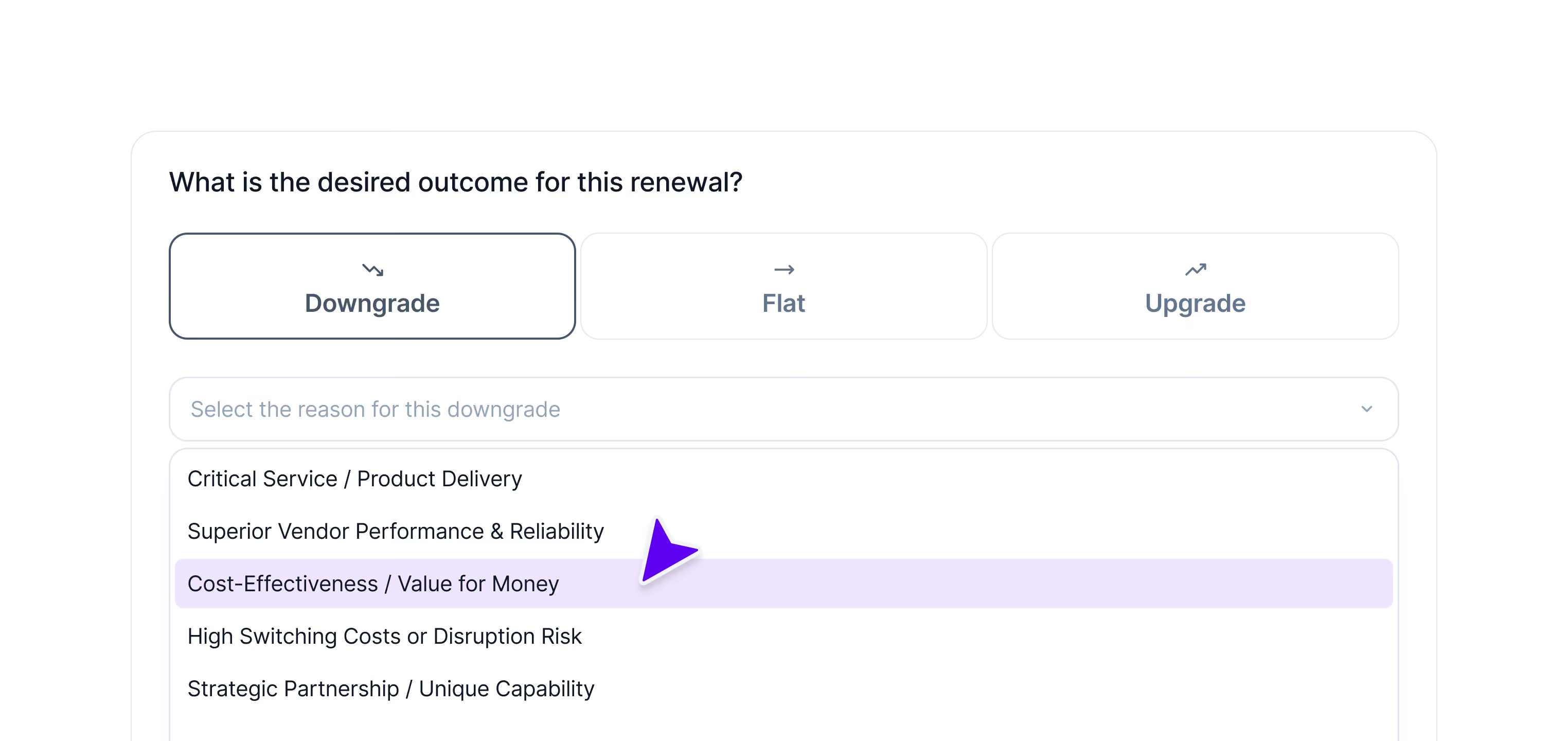
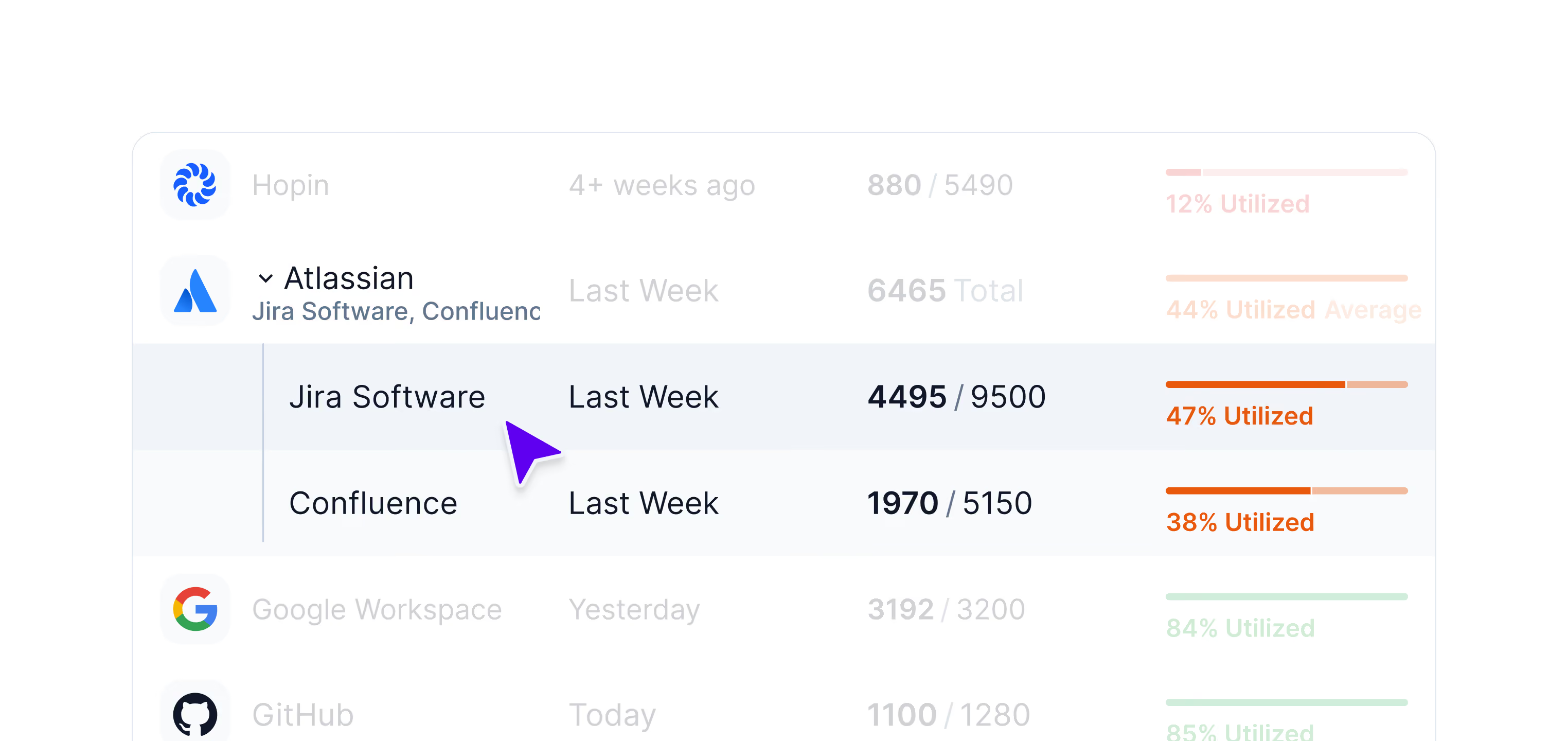
Vertice adapts the intake process for SaaS renewals, ensuring stakeholders review usage, pricing benchmarks, alternatives and contract terms before a renewal is approved – helping organizations avoid auto-renewal traps and overspending.
When implementing procurement orchestration, Vertice brings structure and visibility to day-to-day procurement activities that are often spread across tools and teams. This helps procurement and finance teams stay aligned on requests, approvals, and budgets, while improving supplier management through clearer ownership and consistent workflows.
For procurement leaders, that visibility supports better decision-making across the entire procurement lifecycle and frees up time to focus on higher-value strategic initiatives, rather than manual coordination.