
Buying AI without the risk

Access full report
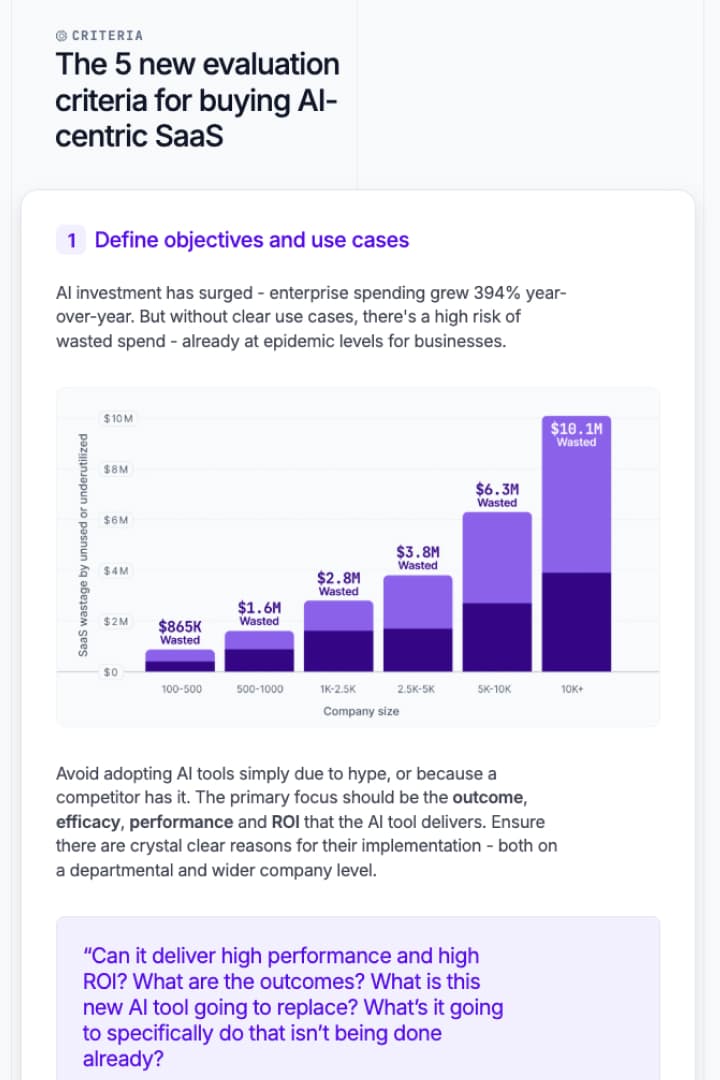
Procuring AI solutions is high-stakes. Complex pricing models, hidden risks and countless vendor options make it hard to navigate – but the right approach can unlock significant value.
This playbook shows you how to choose the right AI tools and secure optimal contracts.
What you'll learn:
- Outcome-based pricing lowers adoption barriers and removes user limits, but creates unpredictable and uncontrollable costs.
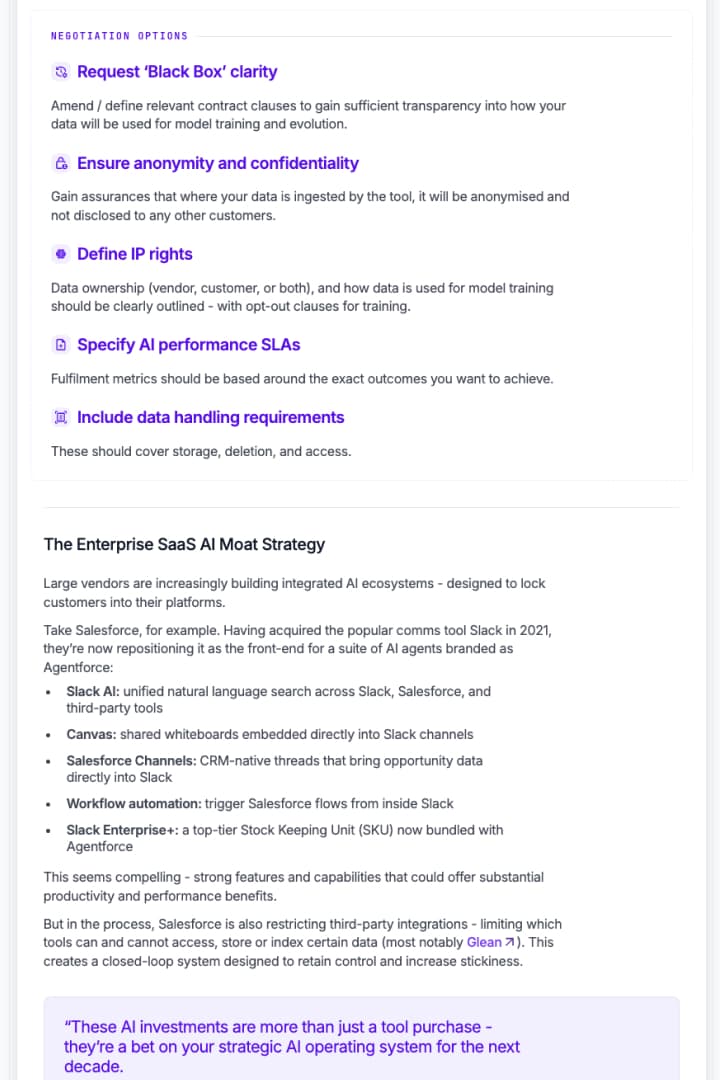
- The negotiation levers you can pull to secure the best possible deal on any AI contract.
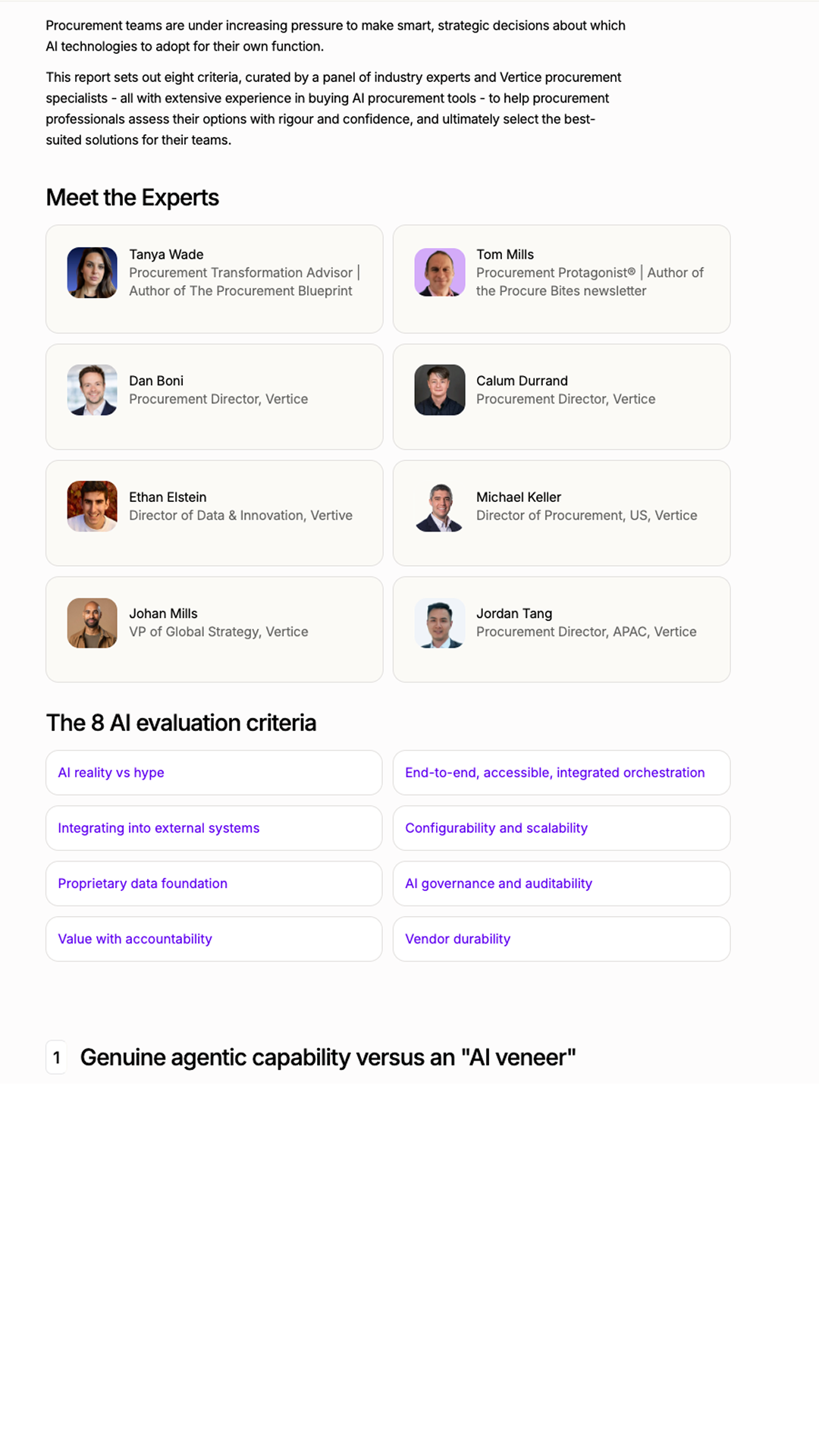
- Six evaluation criteria to ensure you get the right AI solution without compromising security or data.
.jpg)
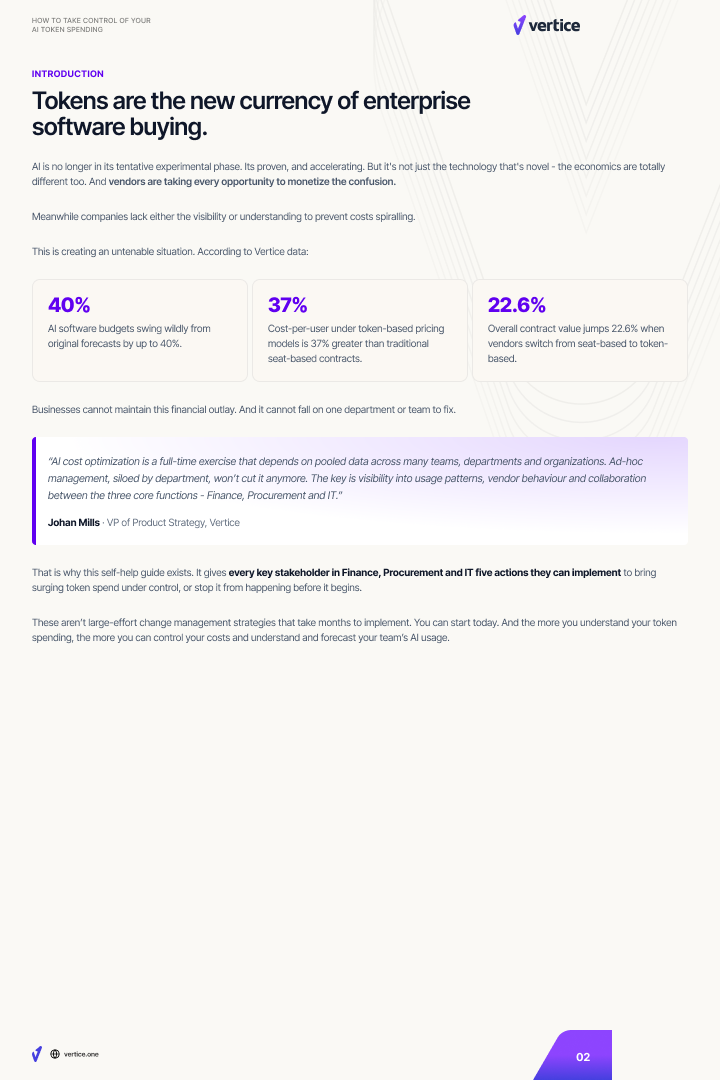
AI is disrupting the economics of SaaS pricing
Traditional flat-fee or per-user pricing models don't work in the variable and dynamic world of AI functionality. And vendors have been quick to realize this - shifting models and contracts to better align with this new reality.
- Outcome-based pricing lowers adoptions barriers and removes limits on users or data input, but risks unpredicatable and uncontrollable costs.
- AI features are being offered as premium add-ons, or incentives to upgrade to higher-tier subscriptions - elevating company costs.
- New AI-specific contract clauses, such as IP rights and broader performance metrics, are designed to enhance monetization and tool stickiness.
- The SaaS AI "moat strategy" used by enterprise vendors are locking customers into their tech ecosystems for the long haul.
The new evaluation criteria
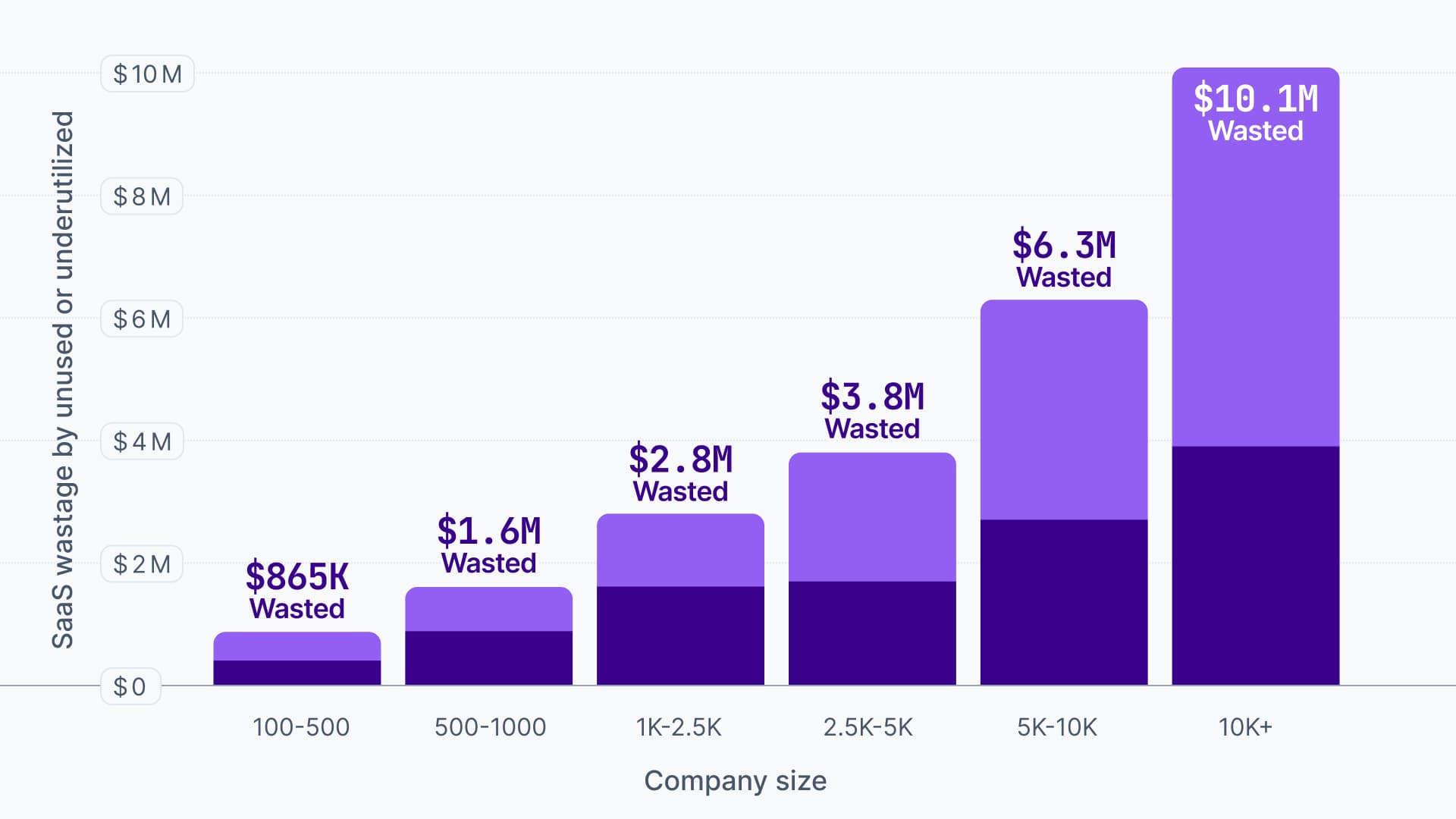
Without a new evaluation playbook, wasted spend on technology will soar ever higher - already at damaging levels for businesses.
Such evaluation criteria include:
- Define objectives and use cases in microscopic detail
- Check the quality of your, and the vendor's, data
- Ensure your personnel are ready to adopt AI, with the skills and change procedures to cope
- Qualify if what you're buying is in fact AI, and not basic automation or analytics dressed up with marketing buzz
Access full report
Related reports
All reports
.png)
.png)

.png)