
Consumption-based pricing models exceeds budget plans by 40%
Usage, token spend, hybrid rate cards - all are causing chaos.


.jpg)
Software pricing structures are changing, and they are throwing buyers into the unknown.
As more AI capabilities are added to SaaS tools, and more AI-native vendors enter the market, consumption / usage-based pricing models become more common.
This is the ONLY report that shows you how to protect yourself against the growth of a new pricing model that:
- Has grown by 35% in the last two years, and is already favoured by 23% of software vendors
- Offers 29% lower discounts than previous models
- Is measured on consumption, but 35% of consumption is invisible
- Is responsible for some vendors' ACVs to increase by 50%+
"As new technologies get increasingly adopted by organizations, it's getting more important to understand the cost drivers... Especially given they are multiplying too!" Joël Collin-Demers, ProcureTech expert and Author of The Pure Procurement Newsletter

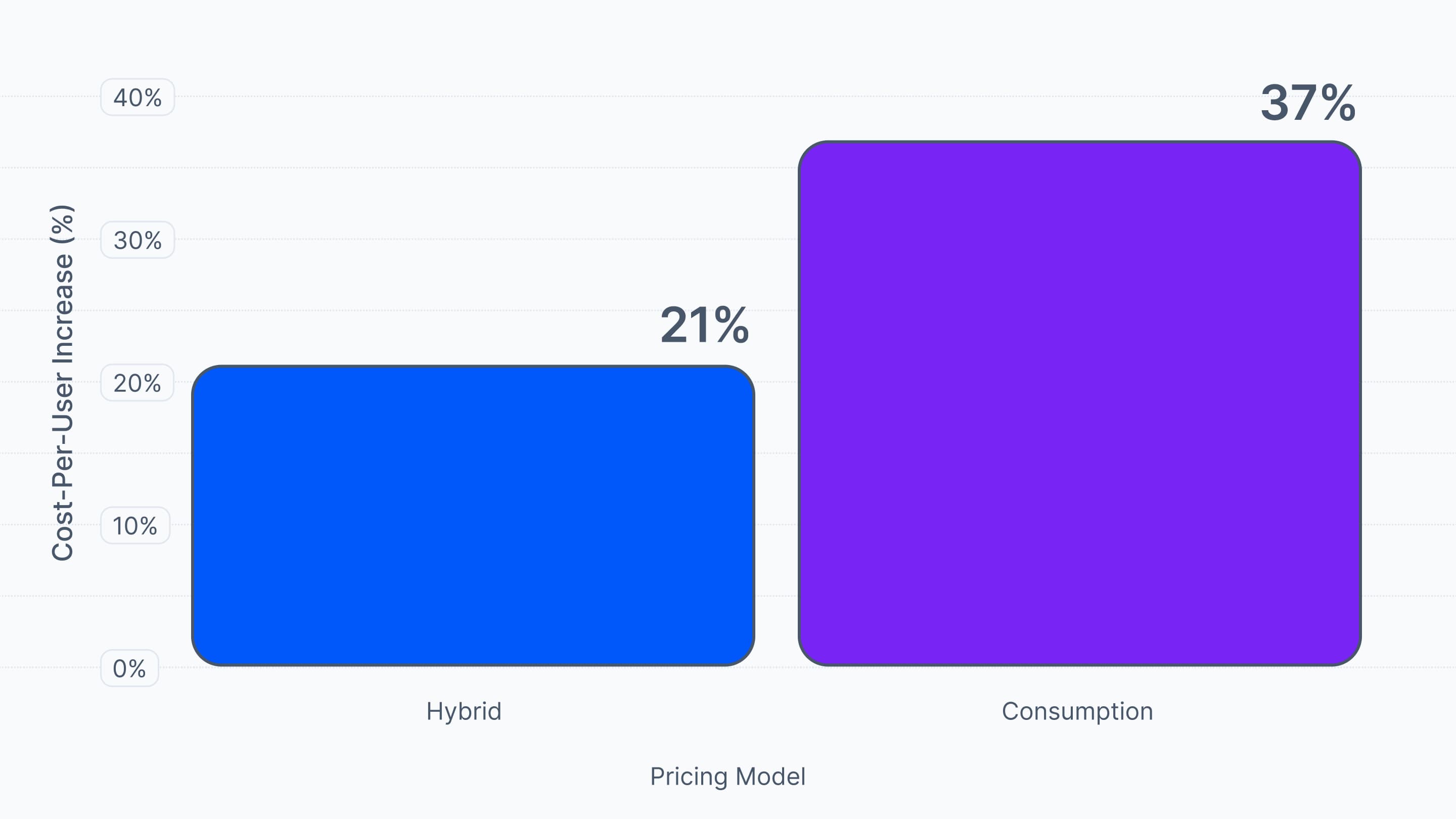
You're not paying per-user, but the cost per-user is going up
While seat-based pricing is a flat 'all-you-can-eat' model, usage-based models charge for every action. This leads to higher costs - especially when 'power users' are testing new features, and typical users are being encouraged to experiment more.
This increase in cost is more pronounced when the pricing model is fully consumption-based, and not tempered by a hybrid approach (a cheaper user-based model with consumption pricing layered on top).
.jpg)
Consumption and hybrid pricing are set to be the most dominant models by H2 2026
Since June 2024, the dominant user-based payment model has dropped dramatically. Only 35% of vendors now use purely user-based payment models, decreasing by 24%, while consumption-based and hybrid models take over.
Why?
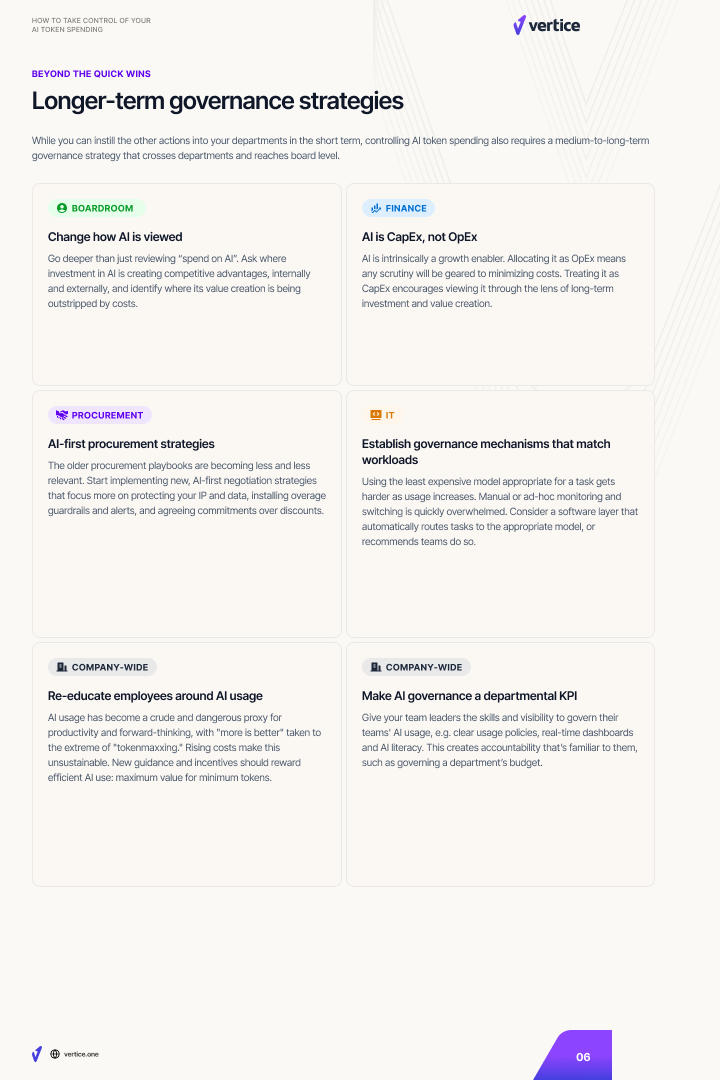
The rise of AI capabilities and new AI vendors has forced a change. Pricing models needed to change to reflect their own costs.
But what's good for vendors is not necessarily good for the buyer. And right now, vendors are benefitting from buyers' naivety.
Don't let this be you.
.png)
.png)

.png)